Our Curriculum
Our curriculum draws on 50 years of experience working with children and is thoughtfully inspired by Finnish, Waldorf, and Montessori educational philosophies. Our student-centered approach prioritizes holistic development, creativity, critical thinking, collaboration, and well-being. Through play-based, hands-on learning, children are encouraged to think independently, explore their interests, and grow socially and emotionally. Our curriculum is intentionally rooted in real-world experiences rather than digital instruction, allowing children to learn through conversation, movement, observation, creativity, and meaningful work. Rather than simply teaching children what to think, we help them learn how to think, building confidence, curiosity, independence, and a lifelong love of learning.
Our Preschool Curriculum
Our preschool curriculum is designed to inspire young learners through a dynamic and engaging educational experience. Fostering curiosity and creativity, we create a nurturing environment that supports the holistic development of each child.
Thematic Learning
Every month, we introduce a new theme that sparks children’s imaginations and connects to their everyday experiences. Themes may include:
Exploring Nature: Engaging with the outdoors through sensory activities, nature walks, and hands-on projects that foster a love for the environment.
Community Helpers: Learning about the important roles within our community through storytelling, role-play, and interactive discussions that encourage empathy.
Seasons and Weather: Observing seasonal changes and weather patterns through fun activities, crafts, and science experiments.

Core Areas of Learning
Language and Literacy:
Storytime, rhymes, and phonics games to promote early literacy skills.
Creative expression through drawing, storytelling, and interactive writing activities.
Mathematics:
Hands-on experiences with counting, sorting, and basic math concepts through playful activities and games.
Exploration of shapes, patterns, and measurement using everyday materials.
Science and Discovery:
Encouraging curiosity through simple experiments and nature exploration.
Sensory activities that allow children to investigate and understand the world around them.
Creative Arts:
Diverse art projects using various materials to foster self-expression and creativity.
Music and movement activities that develop rhythm, coordination, and enjoyment.
Social and Emotional Development:
Group activities that build social skills, cooperation, and communication.
Mindfulness and discussions about feelings to enhance emotional awareness and resilience.
Daily Structure
Our preschool day strikes a balance between structured learning and free play, allowing children to explore their interests and develop independence. With a focus on experiential learning, we cultivate a supportive and joyful atmosphere where each child can thrive.

Our Elementary Curriculum
Our elementary curriculum draws on 50 years of experience educating children and is thoughtfully inspired by Waldorf, Montessori, and Finnish educational philosophies. We also incorporate carefully selected resources from The Good and the Beautiful, Math With Confidence, and Oak Meadow.
Rather than following one system exclusively, our teachers select and adapt lessons to meet the needs, interests, and developmental stages of their students. Small class sizes allow us to provide individualized instruction while building a collaborative and supportive classroom community. Focused academic learning is balanced with creativity, movement, outdoor exploration, practical skills, and meaningful experiences on the farm.
Our Kindergarten Curriculum
At our kindergarten program, we embrace a holistic approach to education, focusing on nurturing the whole child through engaging, thematic lesson plans. Our curriculum is designed to foster curiosity, creativity, and critical thinking while promoting social, emotional, and physical development.
Thematic Learning
Each week, we explore a new theme that captivates children's imaginations and connects to real-world experiences. Themes may include:
Nature Exploration: Discovering the wonders of the natural world through hands-on activities, outdoor adventures, and sensory experiences.
Community Helpers: Learning about various roles in our community, encouraging empathy and understanding through role-playing and storytelling.
Seasons and Weather: Observing changes in nature, understanding weather patterns, and celebrating seasonal festivities with art and science projects.
Core Areas of Learning
Literacy and Language Arts:
Storytelling, reading, and phonics activities to develop early literacy skills.
Creative writing exercises to encourage self-expression and imagination.
Mathematics:
Hands-on math games and activities to promote counting, number recognition, and basic operations.
Exploring shapes, patterns, and measurement through interactive play.
Science and Discovery:
Experiments and observations that foster inquiry and critical thinking.
Nature walks and gardening projects to connect children with the environment.
Art and Creativity:
Various art projects that allow for self-expression and creativity using diverse materials and techniques.
Music and movement activities to promote rhythm, coordination, and enjoyment.
Social and Emotional Development:
Group activities and cooperative games that encourage teamwork, communication, and empathy.
Mindfulness practices and discussions about feelings to build emotional intelligence.
Daily Structure
Our day includes a balance of structured activities and free play, allowing children to explore their interests and develop independence. With a focus on experiential learning, we create a safe and nurturing environment where curiosity flourishes.
Core Areas of Learning
Language Arts
Students build strong foundations in phonics, reading fluency, vocabulary, grammar, comprehension, handwriting, and written expression. Literature, storytelling, and creative writing help children develop both technical skills and a genuine love of language. Instruction is tailored to support each child’s individual reading and writing development.
Mathematics
Our mathematics curriculum develops number sense, computation, patterns, measurement, and problem-solving through clear instruction and hands-on learning. Children work with manipulatives, games, and real-world applications to build confidence and a meaningful understanding of mathematical concepts.
Science and Nature Studies
Science is rooted in observation, experimentation, exploration, and curiosity. Students have regular opportunities to learn from the farm, gardens, animals, weather, and changing seasons. These experiences help children develop scientific thinking and a meaningful relationship with the natural world.
History, Geography, and Culture
Through stories, projects, maps, and discussion, students explore communities, cultures, geography, and history. Lessons encourage children to consider different perspectives, understand their place in the wider world, and approach other people and cultures with curiosity and respect.
Arts and Practical Skills
Artistic and practical experiences are an essential part of our elementary program. Students participate in music, visual art, drama, world-language learning, cooking, ceramics, woodworking, and handwork. These experiences support creativity, coordination, confidence, patience, and practical ability.
Social and Emotional Development
Children are supported in developing independence, responsibility, resilience, self-awareness, and respect for others. Cooperative projects, classroom responsibilities, group discussions, and guided conflict resolution help students strengthen their communication and problem-solving skills. Our close-knit community allows every child to be known, valued, and supported.
A Rhythm That Supports the Whole Child
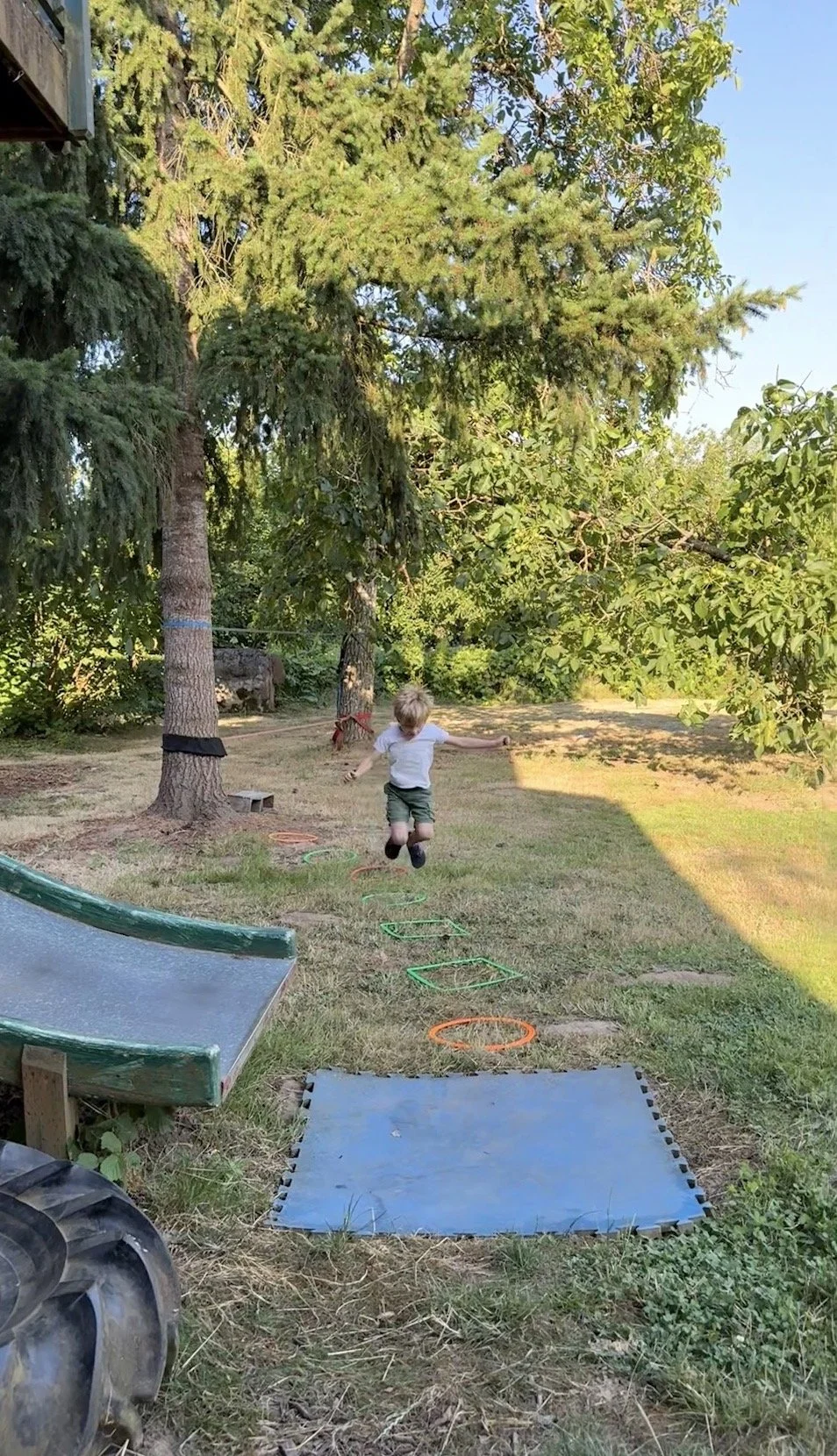
Our elementary students spend a minimum of two hours outside each day through recess, outdoor learning, farm activities, and seasonal exploration. Children also have a full 30-minute lunch period, followed by time outdoors to move, play, and connect with friends.
This generous balance of academics, movement, creativity, practical work, and unstructured play helps children remain engaged and ready to learn throughout the day.
A Typical Elementary Day
8:00–10:00: Morning academic block
10:00–11:00: Snack and outdoor recess
11:00–12:00: Second academic block
12:00–12:30: Lunch
12:30–1:15: Outdoor recess
1:15–2:30: Arts, music, world languages, practical skills, or farm-based learning
2:30–2:50: Classroom jobs and care of shared spaces
2:50–3:00: Closing circle
Our daily rhythm may shift according to the age of the students, the season, and the needs of each class.